


Just starting to try
Start free: Your Cycle topic and the free Starter Guide
Clear, compassionate fertility education from an embryologist, in the words you would use with a friend. Learn it all in one package, then talk it through with Kara herself.

Written by Kara RaubenheimerClinical Embryologist and HPCSA-registered Reproductive Biologist, with 17 years in IVF laboratories. Who is Kara?
Start anywhere on the circle
12 topics, each explained in plain language.
Choose a segment12 topics · 3 on looking after yourself
Your Cycle is free to read. The other topics open with the package.
Start anywhere on the circle
5 topics, 19 short sections, in plain language.
Choose a section
Topic 1 · Your cycleYour CycleSections 01 to 06 · 3 min
Free to read
 Topic 2 · Eggs & ageFemale FertilitySections 07 to 10 · 2 min
In the package
 Topic 3 · PCOS (PMOS)PCOS (PMOS)Sections 11 to 13 · 2 min
In the package
 Topic 4 · EndometriosisEndometriosisSections 14 to 16 · 1 min
In the package
 Topic 5 · Egg freezingEgg FreezingSections 17 to 19 · 2 min
In the package
Start anywhere on the circle
Four illustrated guides, 17 chapters, written in plain language.
Choose a chapter Guide 1 · The biologyMale Fertility ExplainedChapters 01 to 05 · 10 min
In the package
 Guide 2 · Your resultsUnderstanding Your Sperm TestsChapters 06 to 09 · 8 min
In the package
 Guide 3 · Your healthLooking After Your FertilityChapters 10 to 12 · 10 min
In the package
 Guide 4 · Your optionsCauses & Treatment OptionsChapters 13 to 17 · 14 min
In the package
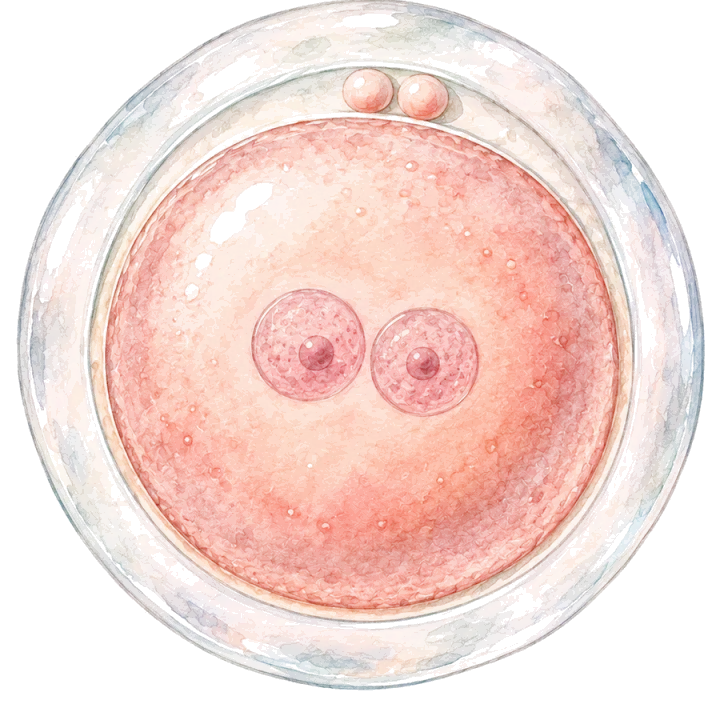 Day 1
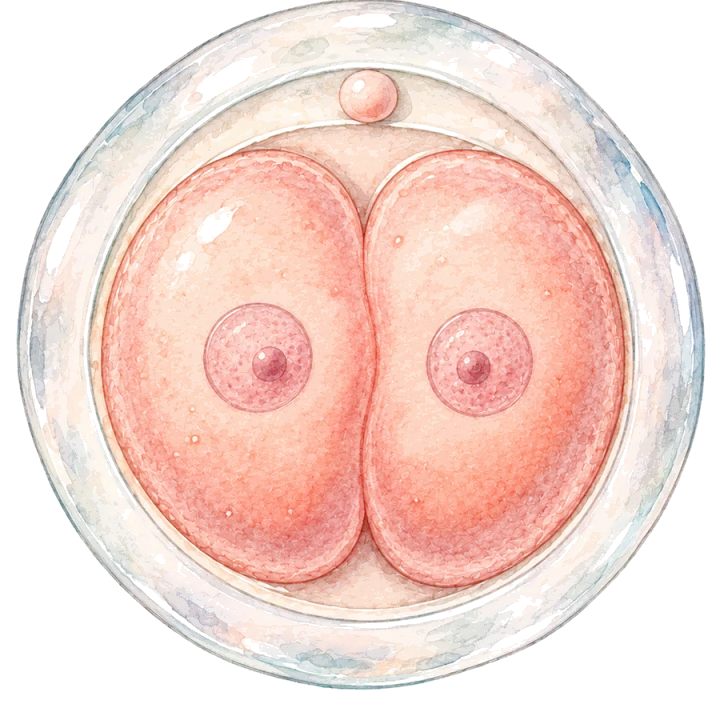 Day 1 to 2
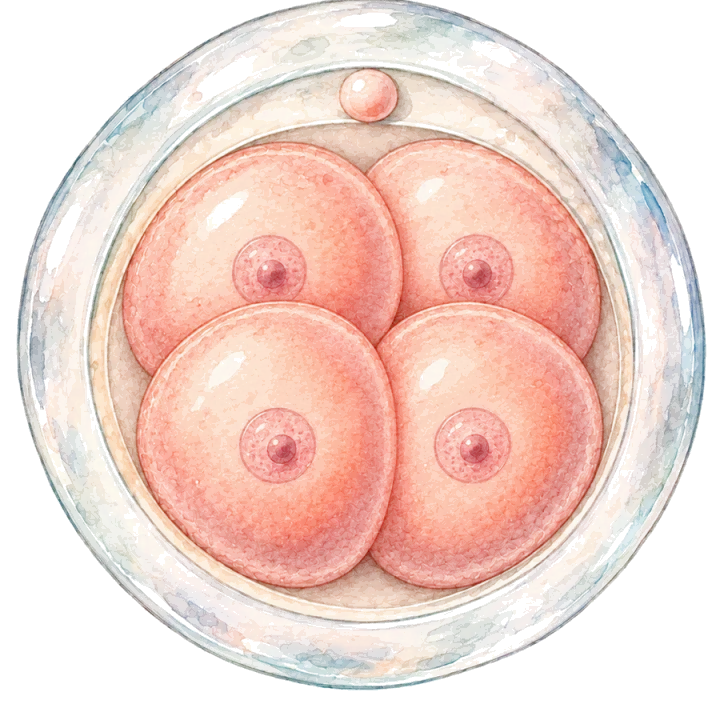 Day 2
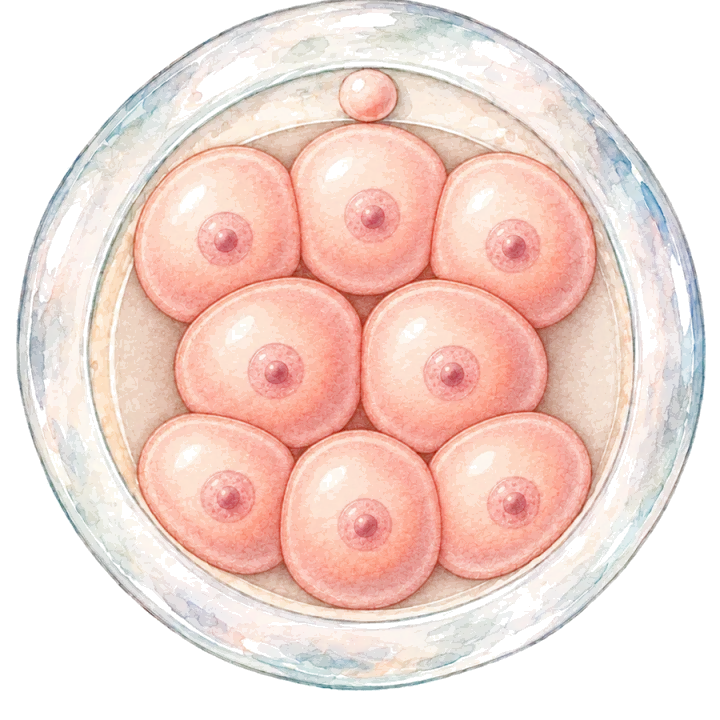 Day 3
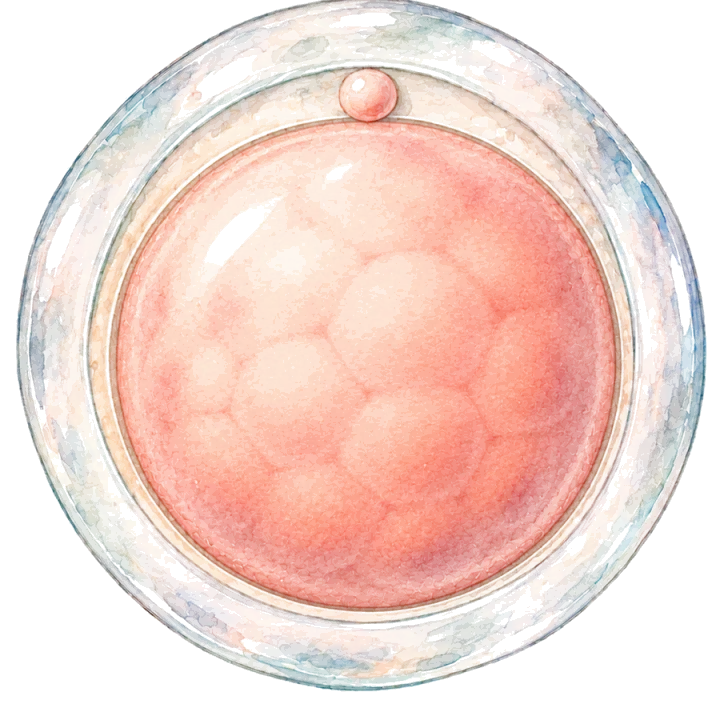 Day 4
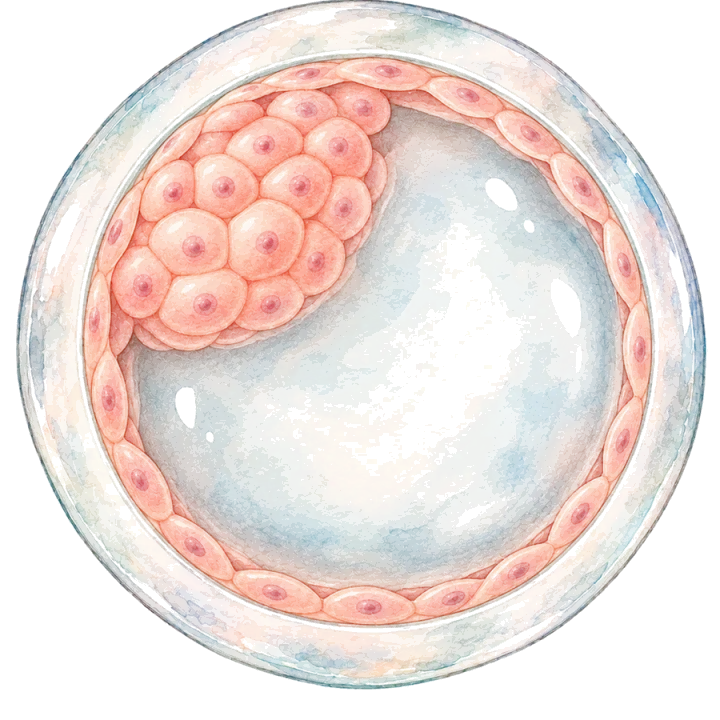 Day 5
New course
Do you want to see what an embryologist sees?
25 modules 102 lessons
See the course Read Module 1 free25 modules · Module 1 free · in the package
Kara Raubenheimer spent seven years leading a hospital IVF laboratory in Pretoria. Her course, books and consultations explain fertility in the words she has always used with patients.
Four ebooks, the full website library and The Embryology Course, with a consultation with Kara to bring it together. One payment of US$249 opens it all.
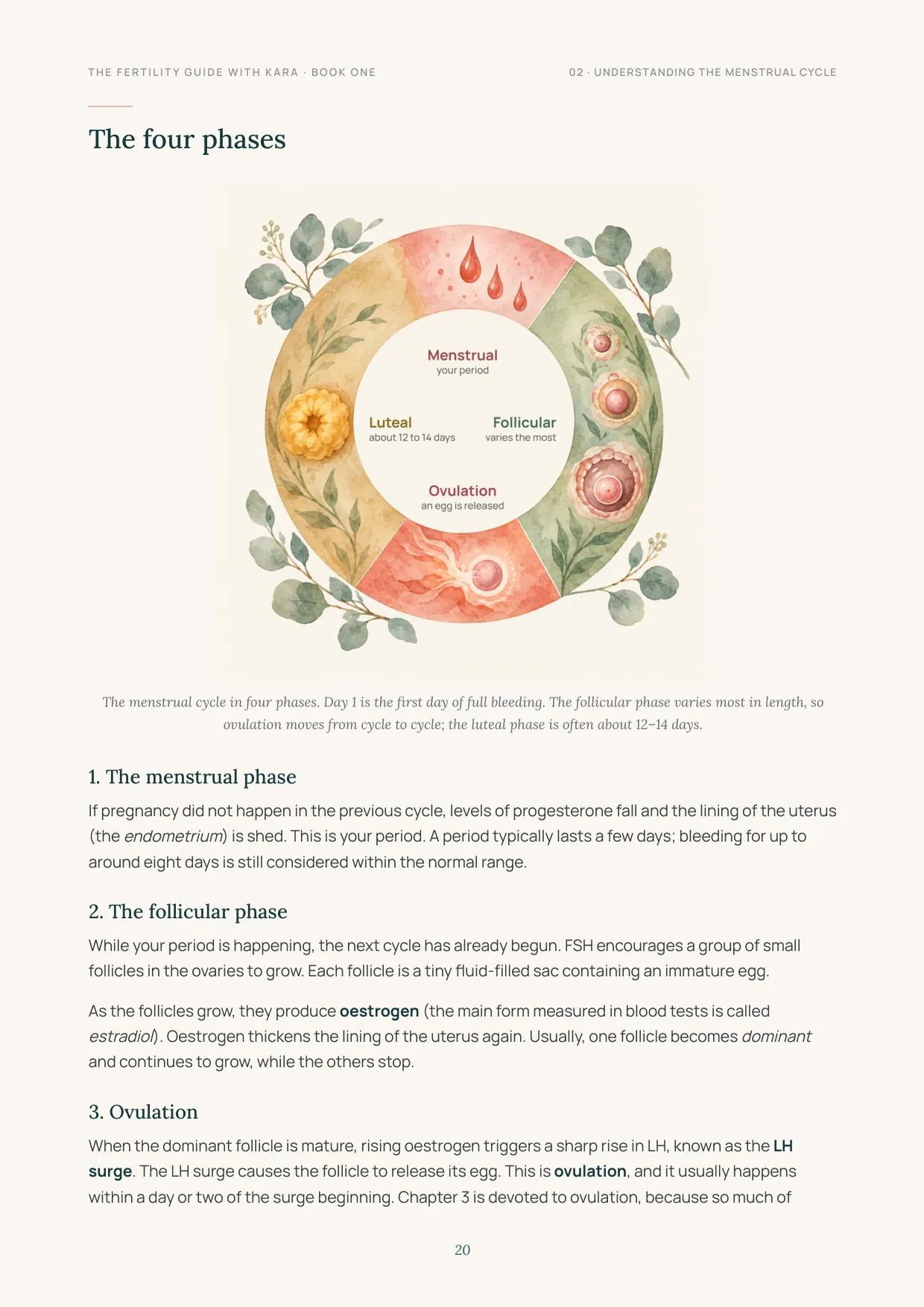
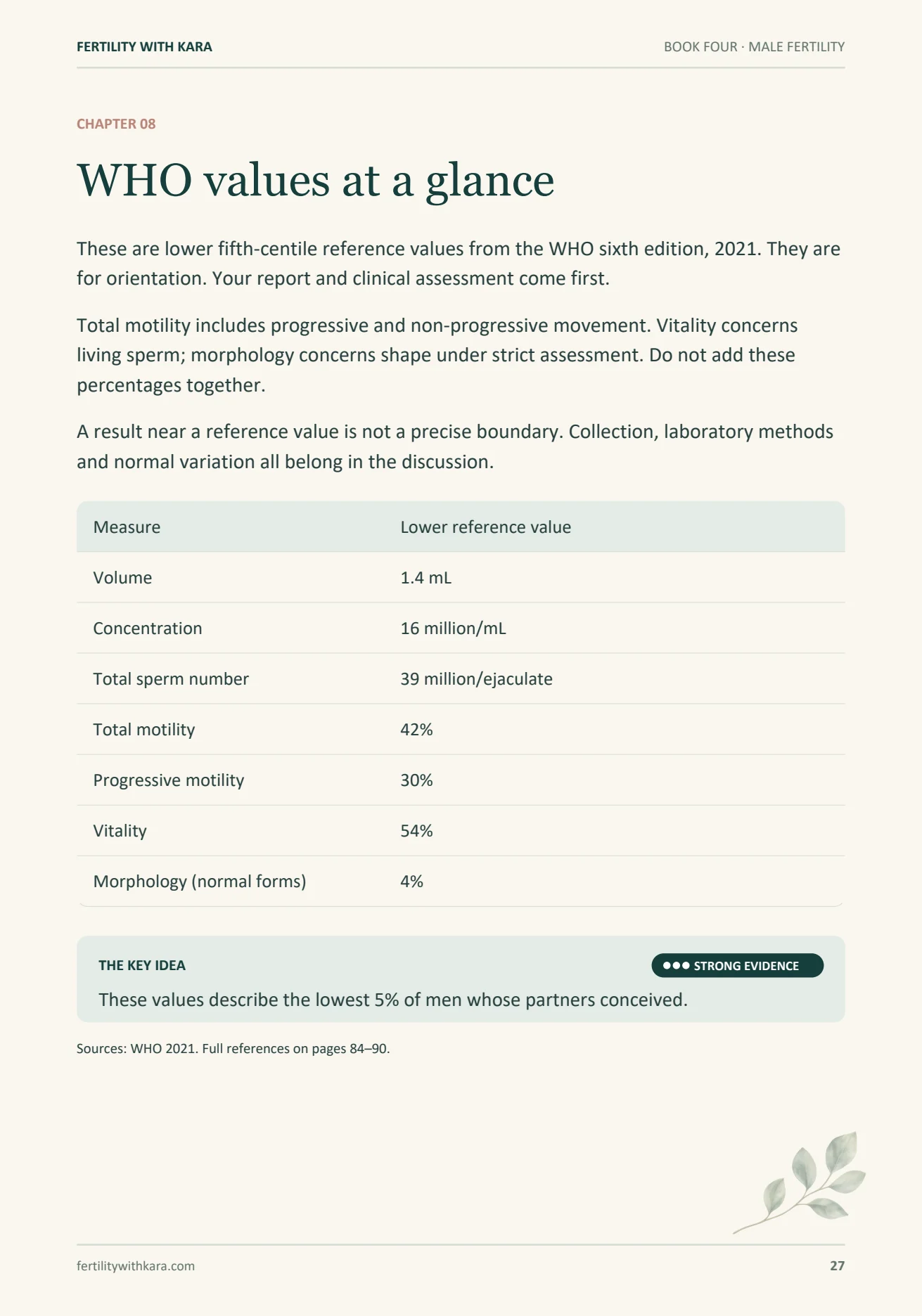
 The BasicsYou’re starting to try, or just want to understand134 pages
 Tests & TreatmentYou’re having tests or thinking about treatment156 pages
 The EvidenceYou want to know what the research says132 pages
 Male FertilityYou’re a man, or the partner of one91 pages
 Your Cycle
 Fertility Testing
 Female Fertility
 Male Fertility
 PCOS (PMOS)
 Endometriosis
 IUI
 IVF
 Egg Freezing
 Lifestyle and Fertility
 Fertility Supplements
 Emotional Health
Every topic page Kara has written, from your cycle to IVF and egg freezing, with the male fertility guides, the glossary, the worksheets and 66 short painted videos.
See every topicDay 1Day 2Day 3 Fertilisation
 The IVF lab
 Your results
How a new life begins and grows, the way an embryologist sees it in the IVF lab. Among the modules:
Plus a 30-minute consultation with Kara to talk through your own questions, by video call in English or Afrikaans.
From her first day as an embryologist to running a hospital IVF laboratory.
30 minutes one-on-one with Kara, by video call, in English or Afrikaans.
 Your results, explainedSemen analysis, AMH and other fertility tests: what each number measures, what it leaves out, and what to ask next.Your embryo reportFertilisation checks, day 3 and day 5 embryos, grading, blastocysts and why numbers fall from one day to the next.Inside the IVF labSperm preparation, egg screening, IVF and ICSI, assisted hatching and embryo culture, step by step, from someone with 17 years of doing them.Freezing and storageHow eggs and embryos are vitrified, stored and warmed again, and the questions to ask about storage.The male sideSperm tests, sperm DNA and what the lab looks at when it prepares a sample for treatment.Your next appointmentA clear list of questions to take to your doctor or clinic, so the next conversation goes further.
Kara is an embryologist and reproductive biologist, not a medical doctor. A consultation is education: she explains how things work and what your results mean in general, and helps you prepare your questions. She does not diagnose, prescribe or replace the advice of your own doctor or clinic.
Start with Your Cycle, free. The rest open with the package.
Your CycleHow the menstrual cycle, ovulation and the fertile window work.FreeFemale FertilityEgg quantity, egg quality, reproductive age and ovarian reserve.PCOS (PMOS)What PCOS (now also called PMOS) is, how it can affect ovulation and how it’s assessed.EndometriosisWhat endometriosis is, common symptoms and how it may relate to fertility.Egg FreezingEgg freezing, fertility preservation and questions to consider.Fertility TestingAMH, FSH, LH, progesterone, ultrasound, tubal testing and semen analysis.Male FertilitySperm count, motility, morphology and male reproductive health.IUIWhat intrauterine insemination is and how the process works.IVFIVF from beginning to end: stimulation, retrieval, the laboratory and embryo transfer.Lifestyle and FertilitySmoking, alcohol, caffeine, weight, exercise and sleep: what the evidence says, for both partners.Fertility SupplementsFolic acid, what trials show for other supplements, and how to use them safely.Emotional HealthWhy fertility can be so hard emotionally, and where to find support.Pick the one that sounds most like you: start with something free, then see what in the package helps most.
Start free: Your Cycle topic and the free Starter Guide
Start free: Start Here: when to ask for help

Start free: Episode 1: Fertility 101
ReadBook Three: The Evidence
Start free: Episode 2: How the menstrual cycle works
Each of the twelve topics is built the same way. See it for yourself: Your Cycle is free to read.
No miracle cures or scare stories. Every topic page has a section like this; here are six of them.
You may hearA low AMH means you can’t get pregnant.
The evidenceAMH reflects ovarian reserve. A low reserve does not mean you can’t conceive, and a reassuring result doesn’t guarantee pregnancy.
From the Fertility Testing topicYou may hearInfertility is a woman’s problem.
The evidenceMale factors contribute to a large share of fertility difficulties, on their own or alongside factors in the female partner.
From the Male Fertility topicYou may hearIVF guarantees a pregnancy.
The evidenceIVF can be an effective treatment, but no treatment guarantees an outcome. Individual results differ.
From the IVF topicYou may hearFolic acid helps you get pregnant.
The evidenceFolic acid protects your baby from neural-tube defects. It hasn’t been shown to help you conceive, but it is still important to take before you do.
From the Fertility Supplements topicYou may hearJust relax and it will happen.
The evidenceResearch has not shown that stress is a major cause of treatment failing. Support matters for how you feel, and nobody is to blame.
From the Emotional Health topicYou may hearFreezing your eggs is a guaranteed back-up plan.
The evidenceEgg freezing can increase future options, but it does not guarantee a pregnancy.
From the Egg Freezing topic66 short episodes that answer the questions people search for. The first two are free to watch.
On a phone, the video opens full screen when you press play. Turn your phone sideways to read the words more easily.
When people hear the word fertility, they often think of a simple yes or no question.
Fertility is a series of biological steps that need to come together, often at just the right time.
Here are those steps, and why one test rarely tells the whole story.
Step 1 of 6: an egg is released. Once in each cycle, usually one mature egg leaves an ovary. This is ovulation.
Step 2 of 6: a tube collects the egg. The finger-like ends of the fallopian tube gently sweep the egg inside.
Step 3 of 6: sperm reach the egg. They travel through the cervix and uterus into the tubes. Only a small fraction get that far.
Step 4 of 6: fertilisation. One sperm enters the egg and their genetic material combines, usually in the fallopian tube.
Step 5 of 6: the embryo develops. Over the next few days it divides into more and more cells as it moves along the tube to the uterus.
Step 6 of 6: the embryo implants. It attaches to the lining of the uterus, usually starting about six to seven days after fertilisation.
Each step depends on a different part of the body working well. That is why fertility can’t usually be understood from a single test.
A blood test tells you about one step. A semen analysis tells you about another. No single test checks them all.
Fertility involves both partners. Sperm health is part of the picture from the very beginning.
Why it can take months. Even when everything is working well, pregnancy doesn’t happen every cycle. Each month brings a chance, and over several months those chances add up.
Taking a few months is common. More than 8 in 10 couples conceive within a year of regular unprotected sex, when the woman is under 40.
If you are older, or something in your history concerns you, speak to a healthcare professional sooner.
Kara’s key takeaway: fertility involves several biological steps. Both female and male factors may need to be considered. A single test rarely tells the whole story. Taking several months to conceive is common.
For general education only. This video doesn’t replace advice from your healthcare professional. Next episode: How the Menstrual Cycle Works.
“When people hear the word fertility, they often think it means whether or not someone can get pregnant. But fertility is much more complicated than that.”
Get an email when Kara’s voiced episodes and new videos go live.
Ten foundations in plain language, so the conversations you have with your healthcare professionals make more sense.

Inside the guide
+ 3 printable worksheets
After the guide: the package opens the whole library, the course, the four ebooks and a consultation with Kara. See the package


Kara is preparing a small range of supplements. Leave your email and you will hear first when they are available.
The course, the four ebooks, the whole library and a consultation with Kara, for one payment of US$249.
Not sure yet? Start Here and the Your Cycle topic are free to read.
The Fertility with Kara Package
US$249 once-off
Charged as R4,100 in South African Rand through PayFast. Outside South Africa, your bank converts it, so the amount on your statement can differ a little.
Pay securely through PayFast: card, Instant EFT and more. Your sign-in link arrives by email straight after.
Already have it? Sign in
You have the package. Welcome back.
Open my package