

Understand your fertility. Know your options.
Clear, compassionate fertility education, in the words you would use with a friend.
Start anywhere on the circle
12 topics, each explained in plain language.
Choose a segment12 topics · 3 on looking after yourself
Start anywhere on the circle
5 topics, 19 short sections, in plain language.
Choose a section19 sections · 5 topics
Start anywhere on the circle
Four illustrated guides, 17 chapters, written in plain language.
Choose a chapter17 chapters · 4 guides
Fertility arrives as a new language, usually at the moment you have least capacity for it.
Fertility with Kara exists to make that information easier to understand, turning complicated fertility information into conversations that make sense.
- Ovarian reserveAn estimate of the number of eggs remaining in the ovaries.
- Egg qualityAn egg’s biological and chromosomal competence to develop into a healthy embryo.
- MotilityHow sperm move, including whether they move forward (progressive motility).
- BlastocystAn embryo at around day five or six of development.
- Two-week waitThe time between ovulation or embryo transfer and a pregnancy test.

Your cycle, eggs and age, explained.
Ovulation, egg quantity and quality, PCOS, endometriosis and egg freezing, one short section at a time.
Explore female fertility
Sperm health deserves a place in the conversation.
Understand the tests, explore possible causes, and find the questions worth asking. A clear starting point for men and couples.
Explore male fertilityFertility knowledge without the unnecessary jargon
Every topic is written the way a knowledgeable friend would explain it: what it is, what it measures, what it does not tell you, and what to ask your healthcare professional.
 Your Cycle
How the menstrual cycle, ovulation and the fertile window work.
02
 Fertility Testing
AMH, FSH, LH, progesterone, ultrasound, tubal testing and semen analysis.
03
Female Fertility
Egg quantity, egg quality, reproductive age and ovarian reserve.
04
Male Fertility
Sperm count, motility, morphology and male reproductive health.
05
 PCOS (PMOS)
What PCOS (now also called PMOS) is, how it can affect ovulation and how it’s assessed.
06
 Endometriosis
What endometriosis is, common symptoms and how it may relate to fertility.
07
 IUI
What intrauterine insemination is and how the process works.
08
 IVF
IVF from beginning to end: stimulation, retrieval, the laboratory and embryo transfer.
09
 Egg Freezing
Egg freezing, fertility preservation and questions to consider.
10
 Lifestyle and Fertility
Smoking, alcohol, caffeine, weight, exercise and sleep: what the evidence says, for both partners.
11
 Fertility Supplements
Folic acid, what trials show for other supplements, and how to use them safely.
12
 Emotional Health
Why fertility can be so hard emotionally, and where to find support.
Your cycle, testing, female and male fertility, PCOS, endometriosis, IUI, IVF, egg freezing, and looking after yourself, with more to come.
Open the libraryNo miracle cures. No fear. Just what the evidence says.
-
You won’t read
“This supplement will boost your fertility.”InsteadWhat the research shows, who may benefit, and where the evidence is limited.
-
You won’t read
“Low AMH means you can’t get pregnant.”InsteadWhat AMH helps estimate, and why it can’t predict whether you’ll conceive.
-
You won’t read
“IVF guarantees a baby.”InsteadHow treatment works, why individual results differ, and what to ask your clinic.
-
You won’t read
“Doctors don’t want you to know…”InsteadBetter questions to take to your own healthcare professional.
- Evidence-based
- Understandable
- Human

Tap to enlarge
Every page is built the same way
- Kara explainsWhat this is, in the words you would actually use with a friend.
- Myth vs evidenceThe claim you have already seen online, and what the evidence supports.
- Ask your healthcare professionalQuestions worth taking into your next appointment.
- Words you may hearThe terminology your clinic will use, in plain language.
- Kara’s key takeawayThe one thing to remember, in a sentence.
- SourcesThe guidelines and studies the page is based on.
One question. One video. Explained simply.
Short, clear episodes, coming soon, that answer the questions people actually search for.
Episode 1 · Launching soon
Fertility 101: What Everyone Should Know
“When people hear the word fertility, they often think it simply means whether or not someone can get pregnant. But fertility is much more complicated than that.”
Be the first to watch
Get an email when the first videos go live.
The Fertility Starter Guide
Ten foundations in plain language, so the conversations you have with your healthcare professionals make more sense.

Inside the guide
- Fertility is a bigger picture
- Ovulation matters
- Your fertile window is more than one moment
- Age is part of fertility biology
- Egg quantity and egg quality are different
- AMH is useful, but it isn’t a fertility score
- Male fertility matters too
- Fertility evaluation isn’t one standard test
- There is a general timeline, but exceptions matter
- Better questions lead to better conversations
+ 3 printable worksheets
- 10 things everyone should understand
- 3 printable worksheets for your questions, results and appointments
- Free, and it opens straight away

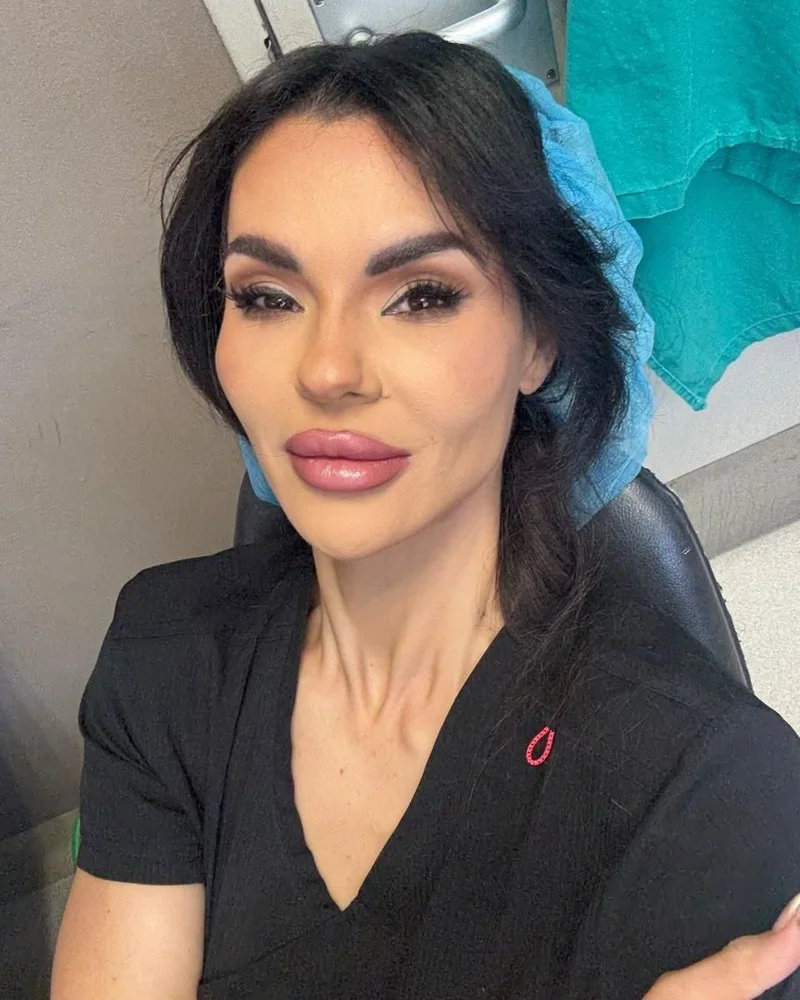
Meet Kara
The knowledgeable person you wish you had sitting next to you when someone starts talking about AMH, ovulation, semen analysis, IUI or IVF.
Kara Raubenheimer · Embryologist · MSc Medical Physiology
Kara is a Reproductive Biologist registered with the HPCSA, with 17 years of experience and a master’s degree in medical physiology from Stellenbosch University. As an Embryologist, she created Fertility with Kara after seeing how overwhelming fertility information can become, so that you can have better conversations with your healthcare professionals.
Inside the ebook series
The Fertility Guide with Kara
Four complementary books: the foundations, tests and treatment, the evidence, and a standalone guide to male fertility.
-

Contents · 12 chapters
- Fertility: The Basics Everyone Should Understand
- Understanding the Menstrual Cycle
- Ovulation and Your Fertile Window
- Fertility and Age
- Eggs: Quantity, Quality and Ovarian Reserve
- Male Fertility and Sperm Health
+ 6 more chapters
-

Contents · 13 chapters
- Understanding Fertility Blood Tests
- AMH, FSH, LH, Estradiol and Progesterone Explained
- Ultrasound and Fertility Assessments
- PCOS and Fertility
- Endometriosis and Fertility
- Understanding Semen Analysis
+ 7 more chapters
-

Contents · 9 chapters
- How to Read a Fertility Study
- Egg Quality: Chromosomes, Mitochondria and the Claims
- Male Age and Sperm
- Sperm DNA, Varicocele and “No Sperm Found”
- Inside the IUI Laboratory
- Inside the IVF Laboratory
+ 3 more chapters
-

Contents · 22 chapters
- Sperm and the reproductive system
- Hormones and sperm production
- Male age in context
- Male age and your child’s health
- Seeking an assessment
- Giving a sample
+ 16 more chapters