
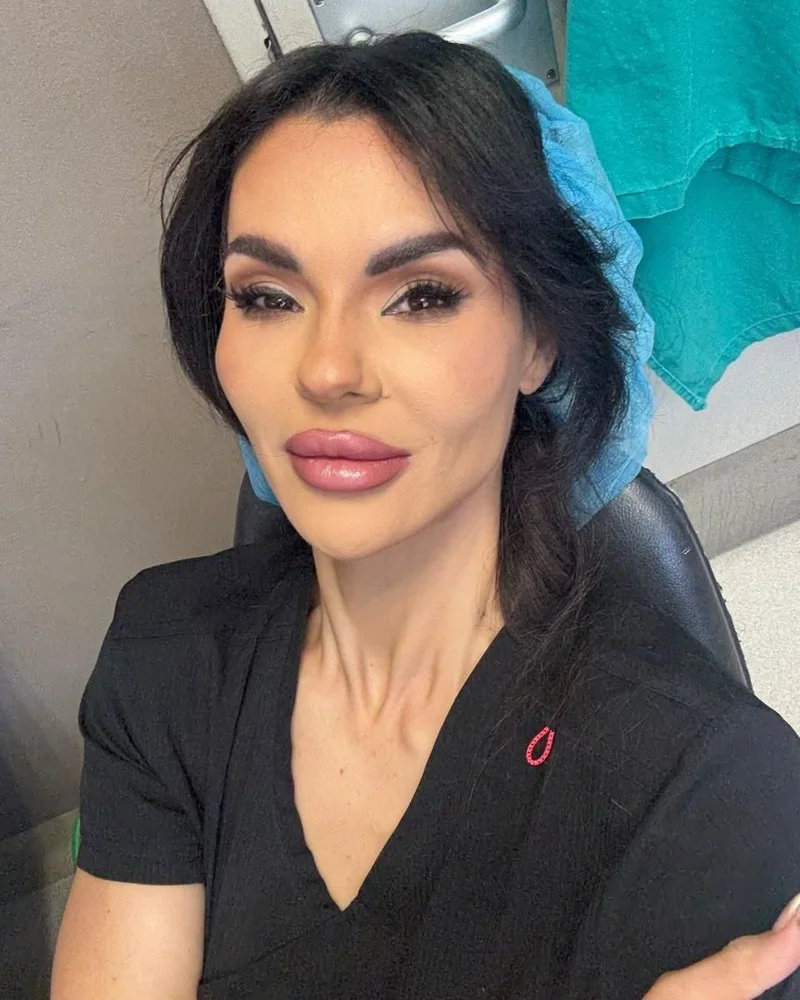
Learn from an embryologist, then ask her your questions
The course, the four ebooks and the whole library open the moment you pay. Then Kara emails you to find a time to talk.
- 30 minwith Kara
- 25course modules
- 4ebooks
- 12library topics
The Fertility with Kara Package
US$249 once-off
Charged as R4,100 in South African Rand through PayFast. Outside South Africa, your bank converts it, so the amount on your statement can differ a little.
- A 30-minute consultation with Kara
- The Embryology Course
- All four ebooks
- The whole Fertility Library
Pay securely through PayFast: card, Instant EFT and more. Your sign-in link arrives by email straight after.
Already have it? Sign in
You have the package. Welcome back.
Open my packageLook inside each part

A 30-minute consultation with Kara
One-on-one by video call, in English or Afrikaans. Bring your questions and, if you like, your results. Kara emails you within two working days of your payment to find a time.
- 30 minutes
- One-on-one by video call
- English or Afrikaans
How it is arranged
- Buy the package
- Kara emails you
- Meet by video call
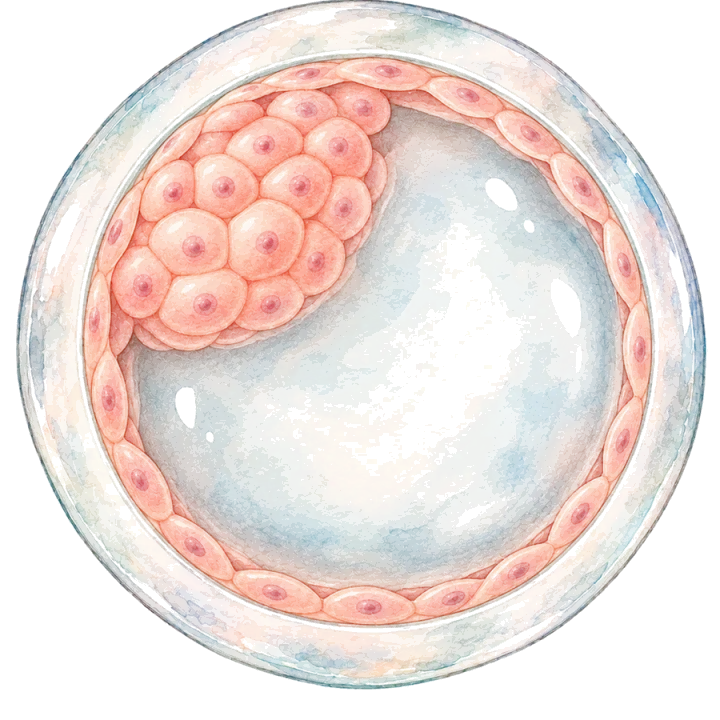
The Embryology Course
See what an embryologist sees: how egg and sperm meet, how an embryo grows day by day, and what the words on an IVF report mean. Quizzes and a certificate included.
- 25 modules
- 102 lessons
- Quizzes and a certificate
The six stages you follow
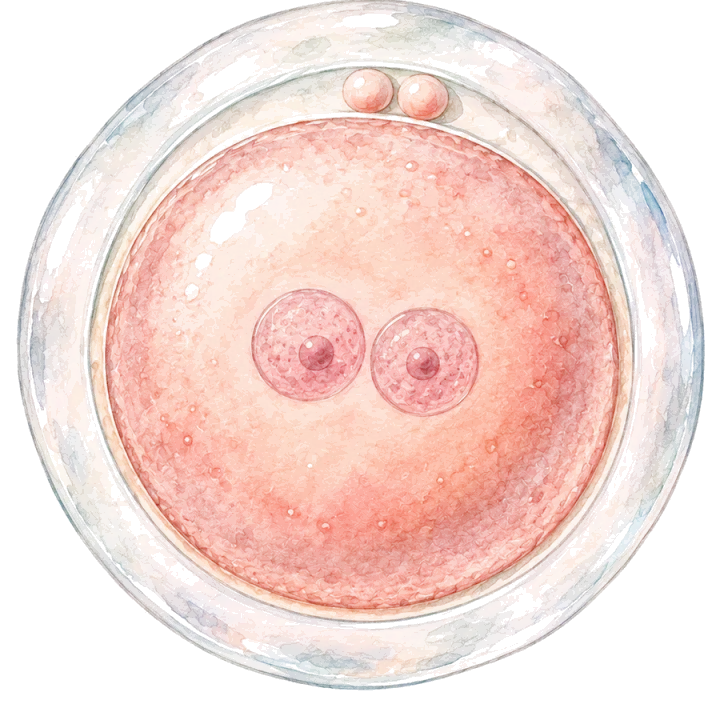
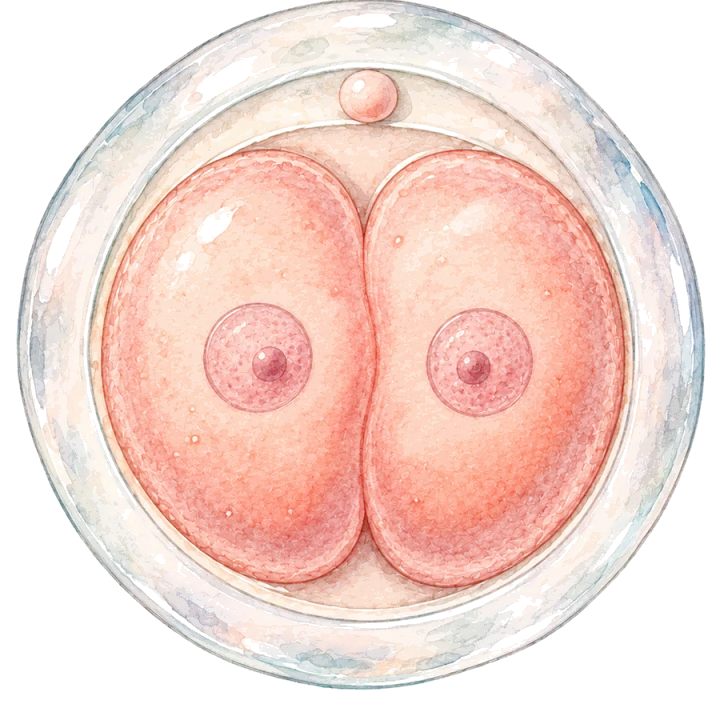
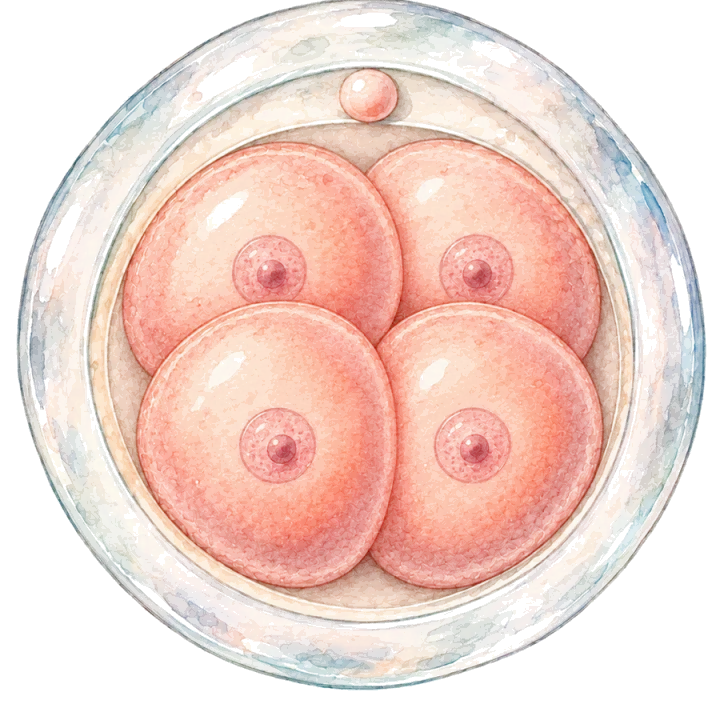
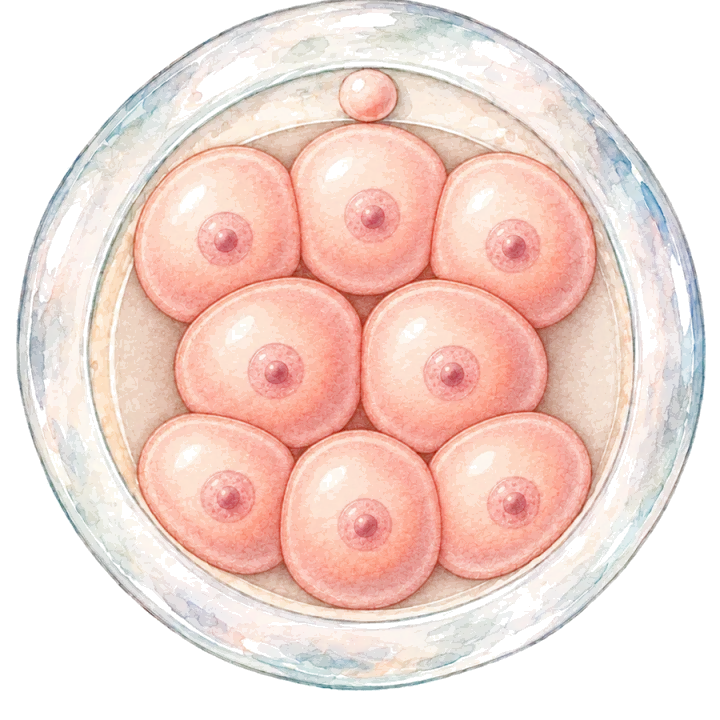
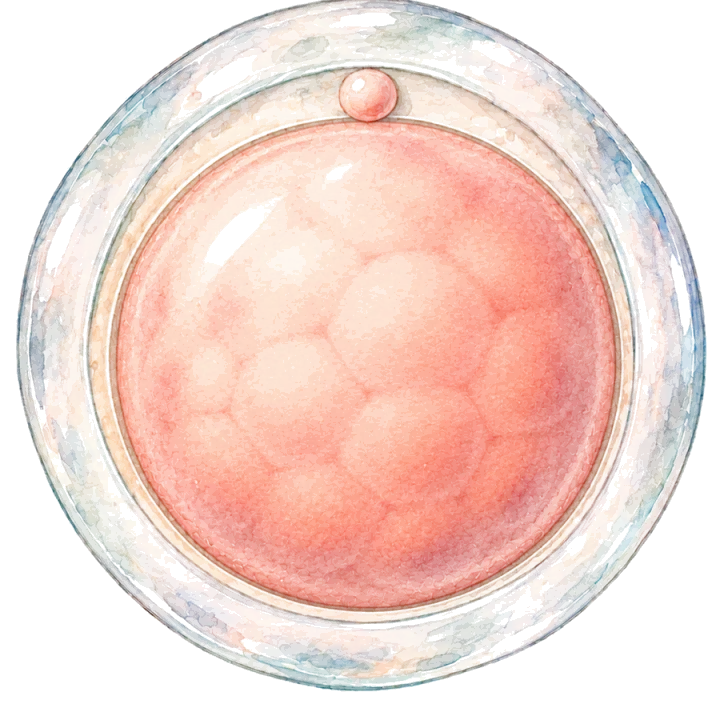

All four ebooks
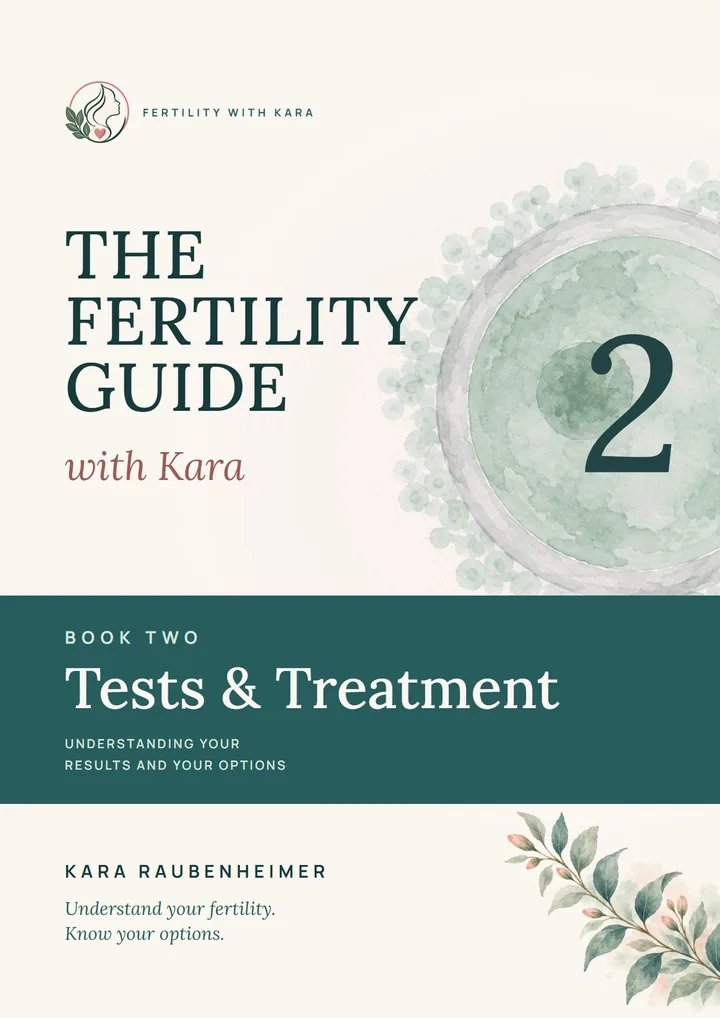
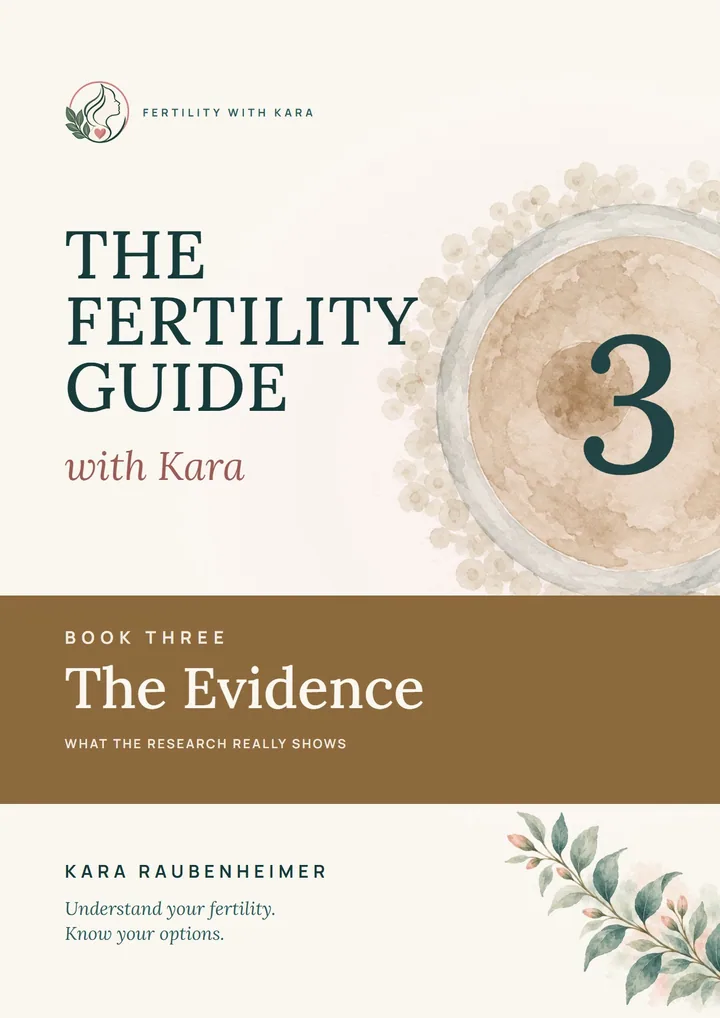
The Basics, Tests & Treatment, The Evidence and Male Fertility. 513 pages to download and keep.
- 4 books
- 513 pages
- 56 chapters
The four books
- The Basics 134 pages
- Tests & Treatment 156 pages
- The Evidence 132 pages
- Male Fertility 91 pages

The whole Fertility Library
Every topic page, the four male fertility guides, the glossary and worksheets, and all the videos on this website.
- 12 topics
- 4 male fertility guides
- Every video
The 12 topics


Kara Raubenheimer
Clinical Embryologist · HPCSA-registered Reproductive Biologist · MSc Medical Physiology (Stellenbosch)
- 17 years in assisted reproduction, in private fertility laboratories in Pretoria.
- From 2019 she led the IVF laboratory of a hospital fertility clinic, doing the embryology herself and running the lab.
- Registered with the HPCSA as a Reproductive Biologist for independent practice.
- MSc in Medical Physiology from Stellenbosch University: her research looked at 856 eggs from 90 ICSI patients, at what makes an egg ready to fertilise and how sperm DNA packaging relates to treatment success.
- She has stood by thousands of patients, explaining their laboratory results in clear and caring terms.
Her work in the lab: sperm preparation and analysis, egg screening, IVF and ICSI, assisted hatching, embryo culture and grading, blastocyst culture and transfer, egg and embryo freezing, explaining results to patients.
She speaks Afrikaans and English, and was awarded the Chancellor’s Medal for science (2010).
Half an hour with Kara, about your questions
Kara has spent years explaining laboratory results to patients. In your consultation she can help with things like these:
Your results, explained
Semen analysis, AMH and other fertility tests: what each number measures, what it leaves out, and what to ask next.
Your embryo report
Fertilisation checks, day 3 and day 5 embryos, grading, blastocysts and why numbers fall from one day to the next.
Inside the IVF lab
Sperm preparation, egg screening, IVF and ICSI, assisted hatching and embryo culture, step by step, from someone with 17 years of doing them.
Freezing and storage
How eggs and embryos are vitrified, stored and warmed again, and the questions to ask about storage.
The male side
Sperm tests, sperm DNA and what the lab looks at when it prepares a sample for treatment.
Your next appointment
A clear list of questions to take to your doctor or clinic, so the next conversation goes further.
- Buy the packagePay once through PayFast. Everything else in the package opens straight away.
- Kara emails youWithin two working days she writes to the email address you paid with, to agree a time that suits you.
- Meet by video call30 minutes, one-on-one, in English or Afrikaans. Kara sends the link before the call.
Please noteKara is an embryologist and reproductive biologist, not a medical doctor. A consultation is education: she explains how things work and what your results mean in general, and helps you prepare your questions. She does not diagnose, prescribe or replace the advice of your own doctor or clinic.
Two videos and a topic, free
Watch the first two episodes and read the whole Your Cycle topic, the way everything in the library is written.
On a phone, the video opens full screen when you press play. Turn your phone sideways to read the words more easily.
Read the words in the video
When people hear the word fertility, they often think of a simple yes or no question.
Fertility is a series of biological steps that need to come together, often at just the right time.
Here are those steps, and why one test rarely tells the whole story.
Step 1 of 6: an egg is released. Once in each cycle, usually one mature egg leaves an ovary. This is ovulation.
Step 2 of 6: a tube collects the egg. The finger-like ends of the fallopian tube gently sweep the egg inside.
Step 3 of 6: sperm reach the egg. They travel through the cervix and uterus into the tubes. Only a small fraction get that far.
Step 4 of 6: fertilisation. One sperm enters the egg and their genetic material combines, usually in the fallopian tube.
Step 5 of 6: the embryo develops. Over the next few days it divides into more and more cells as it moves along the tube to the uterus.
Step 6 of 6: the embryo implants. It attaches to the lining of the uterus, usually starting about six to seven days after fertilisation.
Each step depends on a different part of the body working well. That is why fertility can’t usually be understood from a single test.
A blood test tells you about one step. A semen analysis tells you about another. No single test checks them all.
Fertility involves both partners. Sperm health is part of the picture from the very beginning.
Why it can take months. Even when everything is working well, pregnancy doesn’t happen every cycle. Each month brings a chance, and over several months those chances add up.
Taking a few months is common. More than 8 in 10 couples conceive within a year of regular unprotected sex, when the woman is under 40.
If you are older, or something in your history concerns you, speak to a healthcare professional sooner.
Kara’s key takeaway: fertility involves several biological steps. Both female and male factors may need to be considered. A single test rarely tells the whole story. Taking several months to conceive is common.
For general education only. This video doesn’t replace advice from your healthcare professional. Next episode: How the Menstrual Cycle Works.
Fertility 101: What Everyone Should Know
On a phone, the video opens full screen when you press play. Turn your phone sideways to read the words more easily.
Read the words in the video
A menstrual cycle is not simply the days when you have your period. Your period is only one part of an entire reproductive cycle.
Let’s follow the rest of the cycle, one phase at a time.
Day 1 is your period. Professionals count the cycle from the first day of full bleeding. Light spotting before your period usually doesn’t count.
Four phases. Clockwise from the top: your period, the follicular phase, ovulation, then the luteal phase. Most of the variation happens in the first half of the cycle.
Phase 1 of 4: the menstrual phase. If there was no pregnancy last cycle, progesterone falls and the uterine lining is shed. This is your period.
Phase 2 of 4: the follicular phase. FSH, a hormone from the pituitary gland, helps a group of follicles grow. They make oestrogen, which thickens the lining again. Usually one becomes dominant.
Phase 3 of 4: ovulation. Rising oestrogen triggers a surge of LH, another pituitary hormone. Within a day or two of the surge, the mature follicle usually releases its egg.
Phase 4 of 4: the luteal phase. The empty follicle becomes the corpus luteum. It makes progesterone, which prepares the uterine lining for an embryo.
If no embryo implants, the corpus luteum fades after roughly two weeks. Progesterone falls and a new period begins.
Not everyone has 28 days. Many people expect 28 days and ovulation on day 14. Guidance describes normal adult cycles as roughly 24 to 38 days.
When to ask. Cycles regularly shorter than about 24 days or longer than about 38 days are worth discussing with a healthcare professional.
Kara’s key takeaway: day 1 is the first day of full bleeding. Follicles grow, an egg is released, then progesterone prepares the lining. Normal cycles range from about 24 to 38 days. Not everyone has 28.
For general education only. This video doesn’t replace advice from your healthcare professional. Next episode: How Do You Know If You’re Ovulating?
How the Menstrual Cycle Works
Before you buy
What do I get for my payment?
Everything on this page: the 30-minute consultation with Kara, the Embryology Course, all four ebooks and the whole Fertility Library on this website, including every video. One payment of US$249.
How does the consultation work?
After you pay, Kara emails you within two working days to agree a time. You meet by video call for 30 minutes, in English or Afrikaans. You can send her your questions beforehand.
Can I book a consultation without the package?
Yes. Send Kara a message on the consultations page and she will reply with her availability and fee.
How long can I use the course, ebooks and library?
The ebooks are yours to download and keep. The course and the library stay open to you for as long as they run, with every update. If they ever close, you will have at least six months’ notice by email.
Can I get a refund?
The course, the ebooks and the library open the moment you pay, with your consent, so they are not refunded for a change of mind. If you cancel within seven days and before your consultation has taken place, the consultation part of the price is refunded. A duplicate or mistaken payment is always refunded. The terms of sale have the details.
Why does my card show Rand?
The package costs US$249. Our payment gateway, PayFast, is South African and charges in Rand, so the payment goes through as R4,100. Outside South Africa your bank converts it, and its rate and fees can make the amount on your statement differ a little.
I’m outside South Africa. Can I buy it?
Yes. You can pay with an international Visa or Mastercard, and the consultation is by video call, so it works from anywhere.
Is this medical advice?
Kara is an embryologist and reproductive biologist, not a medical doctor. A consultation is education: she explains how things work and what your results mean in general, and helps you prepare your questions. She does not diagnose, prescribe or replace the advice of your own doctor or clinic.
Buying the package is covered by the terms of sale, and your details by the privacy policy.
Ready when you are
One payment of US$249 opens the course, the ebooks and the library straight away, and Kara emails you to set up your consultation.
Only want to talk to Kara? Ask about a consultation on its own.
The Fertility with Kara Package
US$249 once-off
Charged as R4,100 in South African Rand through PayFast. Outside South Africa, your bank converts it, so the amount on your statement can differ a little.
- A 30-minute consultation with Kara
- The Embryology Course
- All four ebooks
- The whole Fertility Library
Pay securely through PayFast: card, Instant EFT and more. Your sign-in link arrives by email straight after.
Already have it? Sign in
You have the package. Welcome back.
Open my package